
Auburn, CA
Farm Size: 1.5-acre
What They Grow: Mixed Vegetables
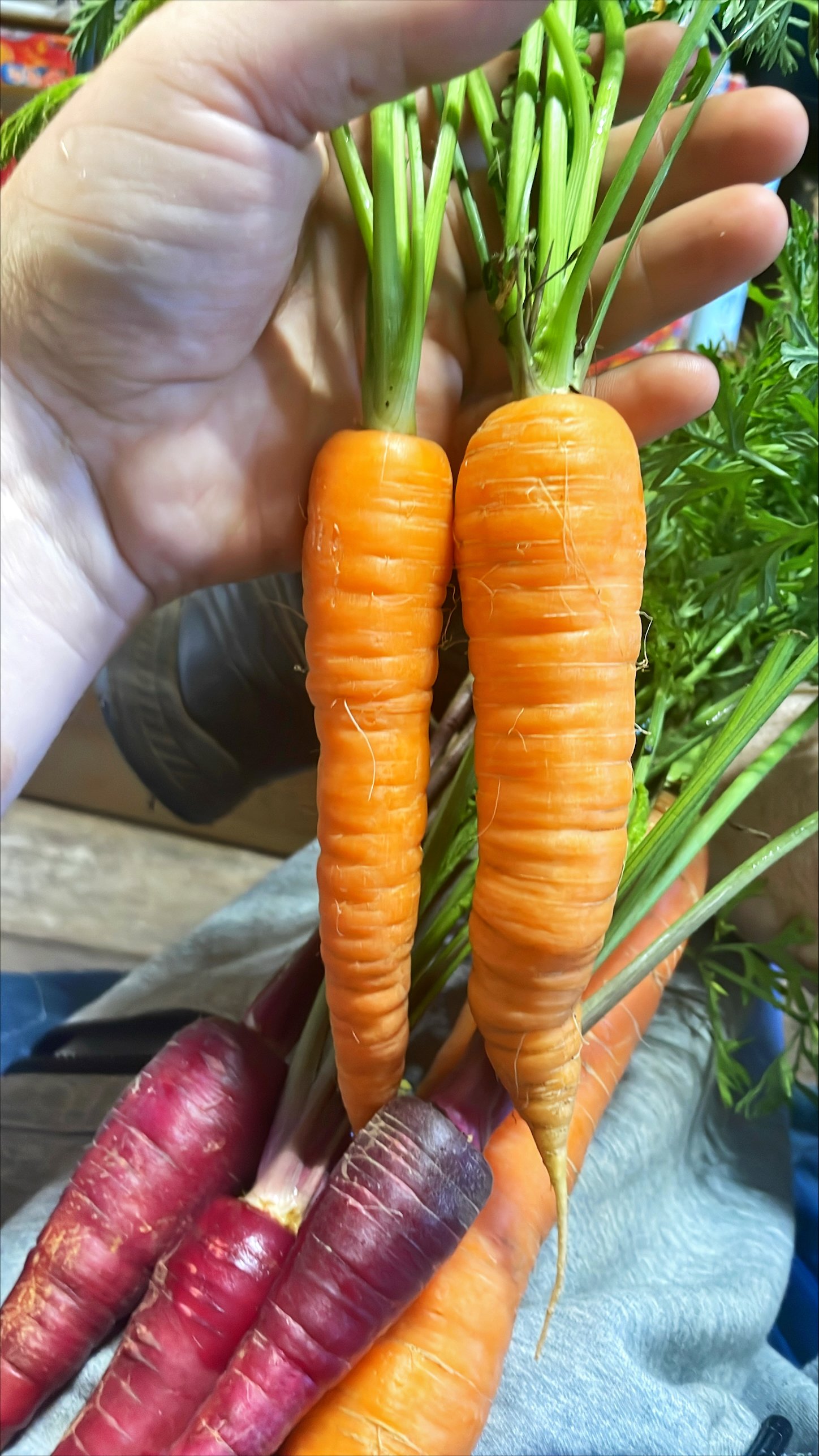
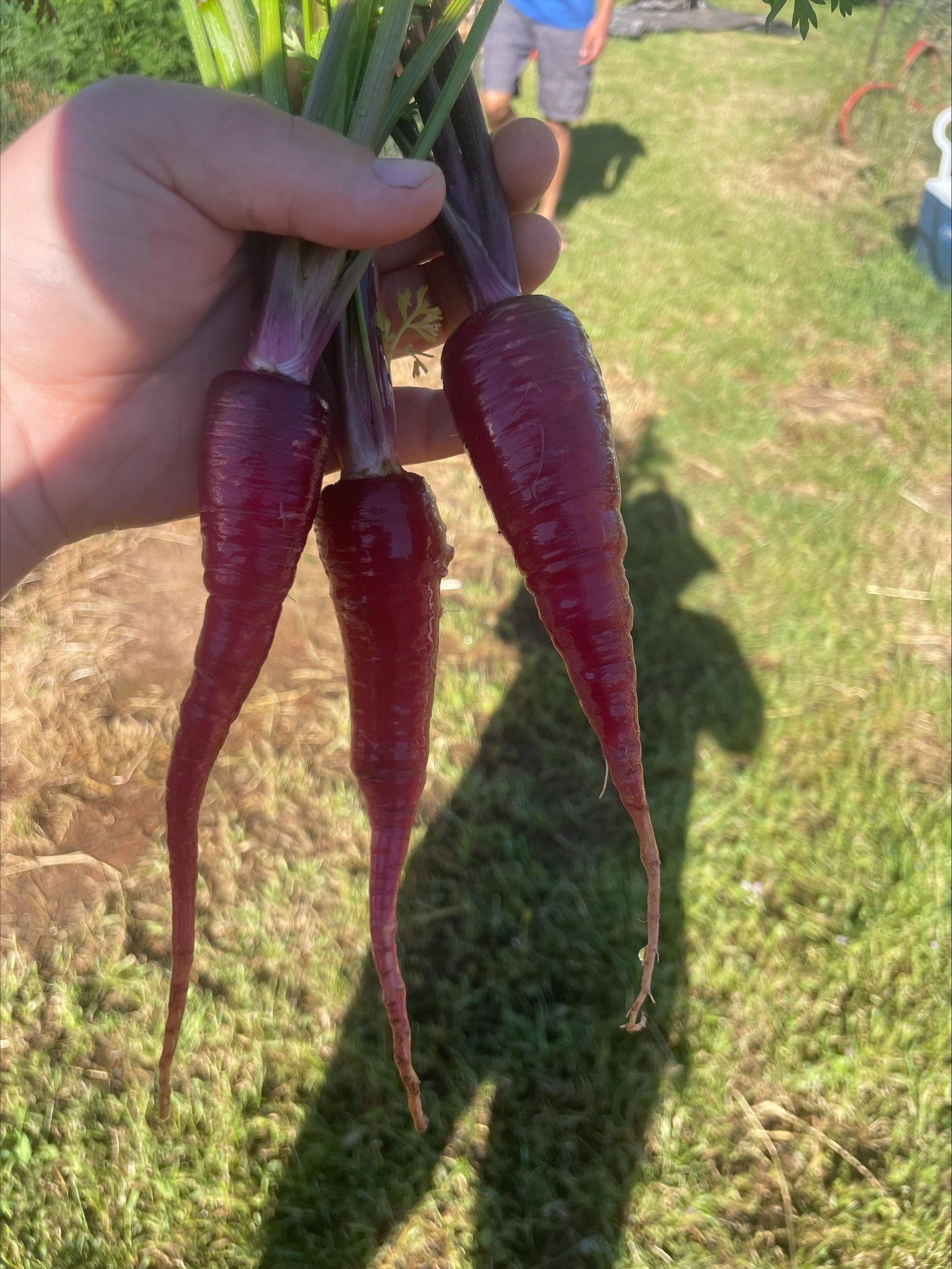
Ryan's Farm is a small, family-operated produce farm founded by Ian Ryan, dedicated to growing fresh, flavorful seasonal vegetables and fruits through thoughtful, environmentally conscious farming practices. With approximately 1.5 acres of cultivated land, the farm specializes in tomatoes, cucumbers, and carrots, alongside seasonal favorites such as strawberries, watermelons, pumpkins, and other specialty crops. Though relatively new, Ryan's Farm has already completed six successful harvests in its first two years, steadily building a foundation rooted in quality, sustainability, and a passion for growing good food.
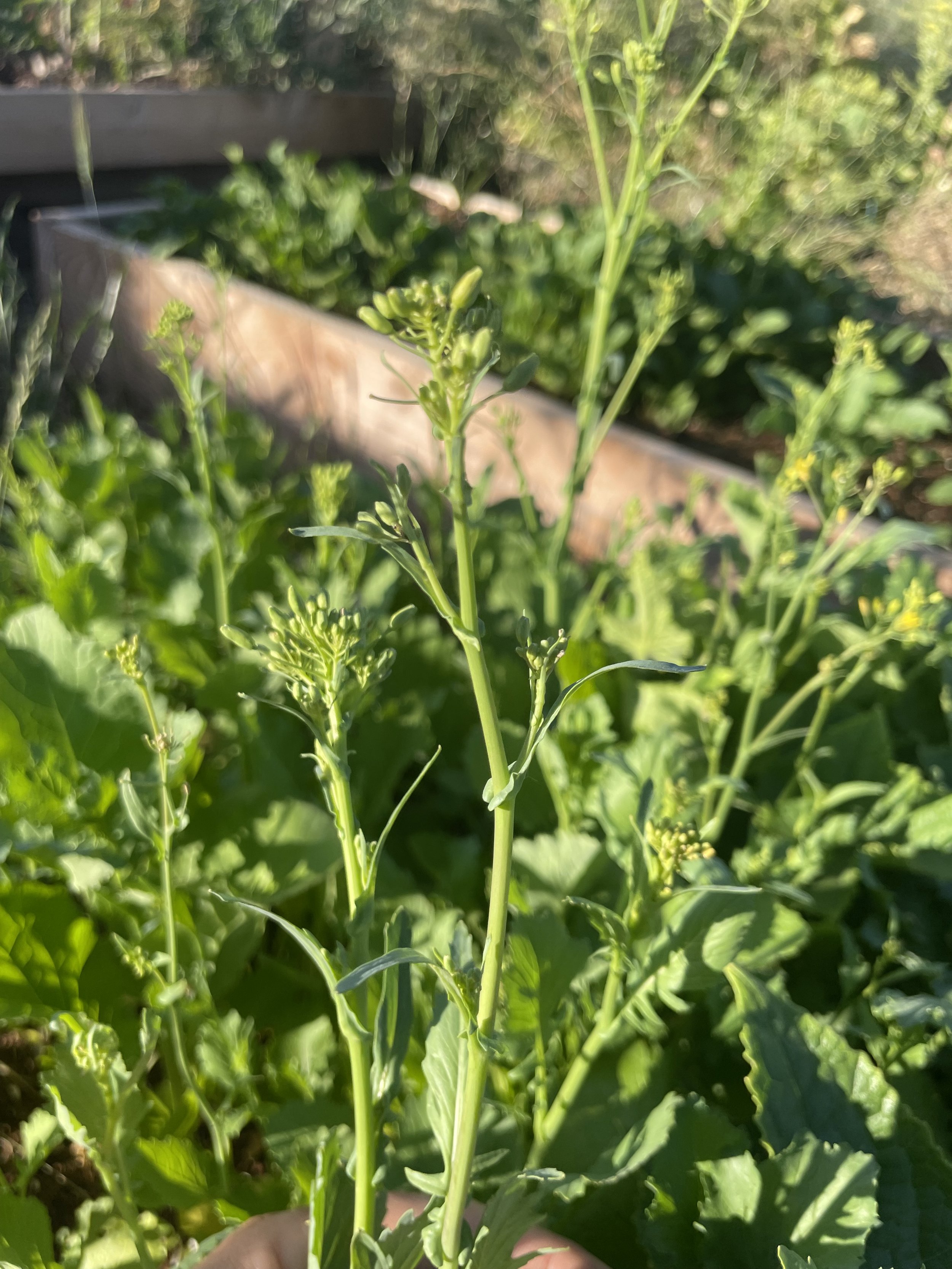
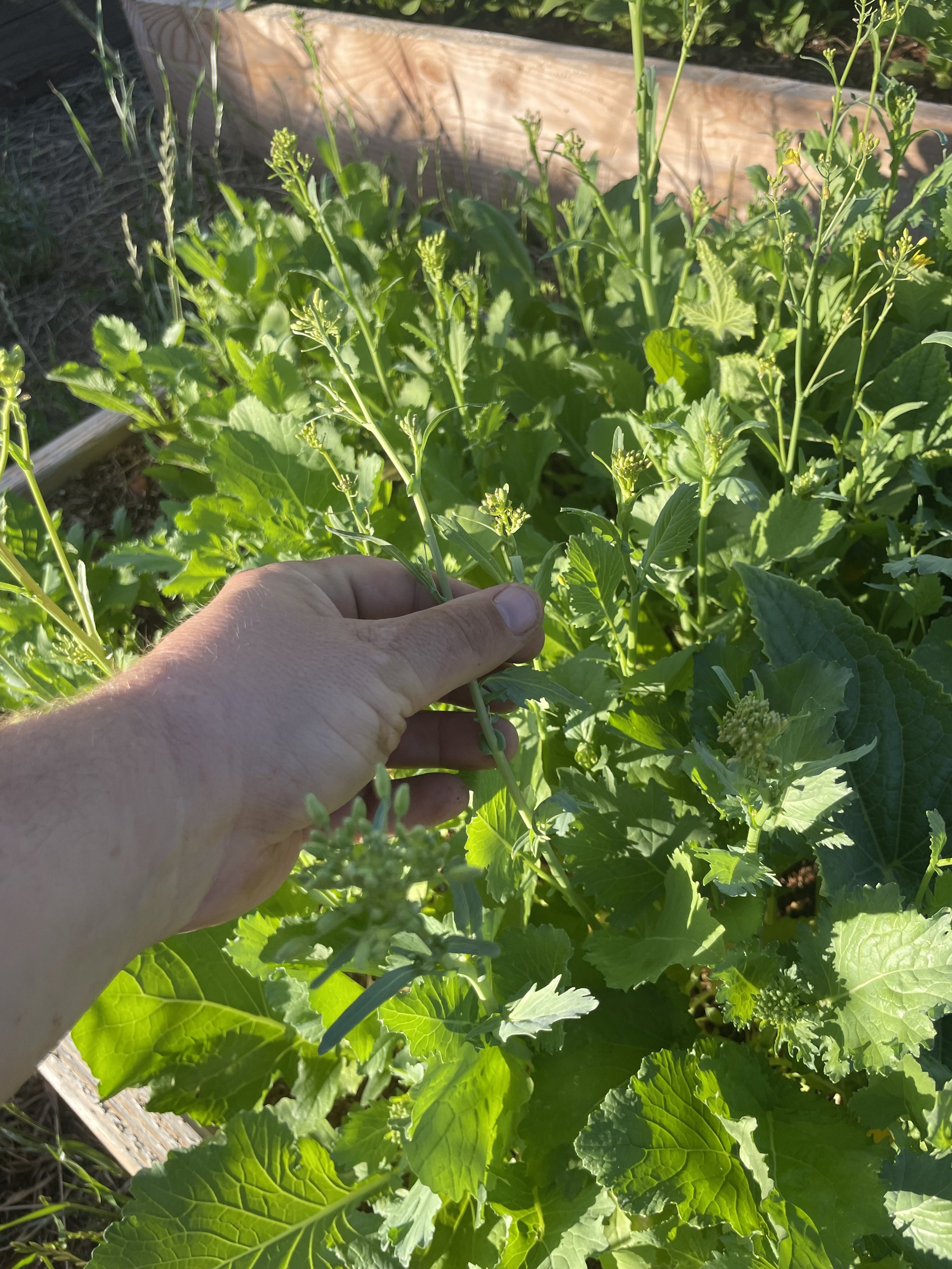
Operated primarily by Ian, with help from his brother during larger harvests, the farm embraces a hands-on approach to small-scale agriculture. Every crop receives personal attention, from planting and soil preparation to harvesting, allowing the farm to focus on freshness, quality, and careful land stewardship. In addition to its signature crops, Ryan's Farm grows a variety of brassicas and culinary herbs upon request, reflecting a commitment to meeting the needs of its customers while maintaining a diverse growing system.
Soil health, biodiversity, and responsible resource management are at the heart of Ryan's Farm's growing philosophy. Although not certified organic, the farm follows organic growing principles and utilizes inputs aligned with OMRI and CDFA guidelines. Sustainable practices include crop rotation with legumes to naturally support soil fertility and structure, along with compost tea, fish emulsion, and organic soil amendments to nourish crops. Rather than relying on conventional chemical pest control, the farm practices integrated pest management, using beneficial insects, beneficial nematodes, and targeted applications of OMRI-approved neem oil when needed.
Water conservation is another important priority, with most growing beds irrigated through an efficient well-fed drip system and others carefully hand-watered as needed. Pollinator-friendly plantings surround the growing areas, providing habitat for beneficial insects and supporting a healthy, balanced farm ecosystem.
